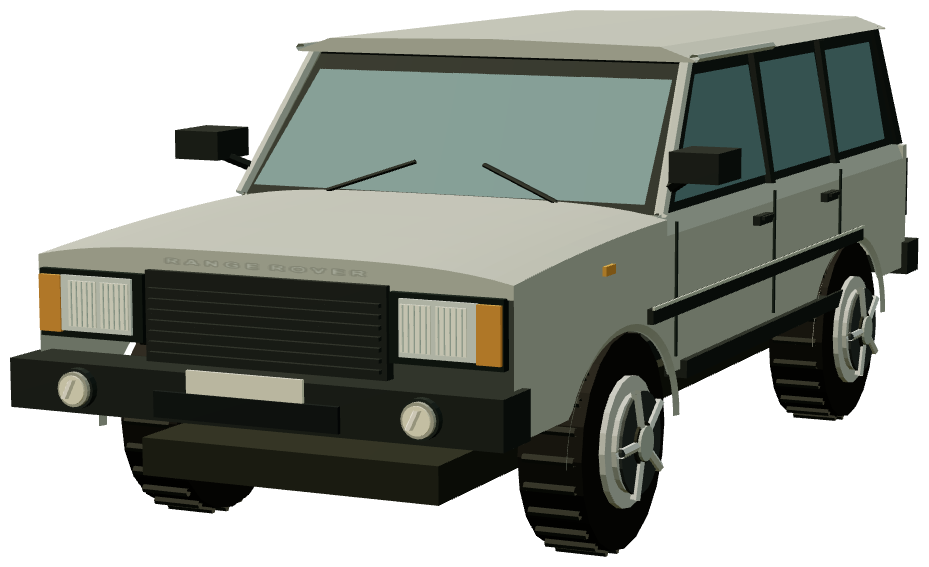
The record
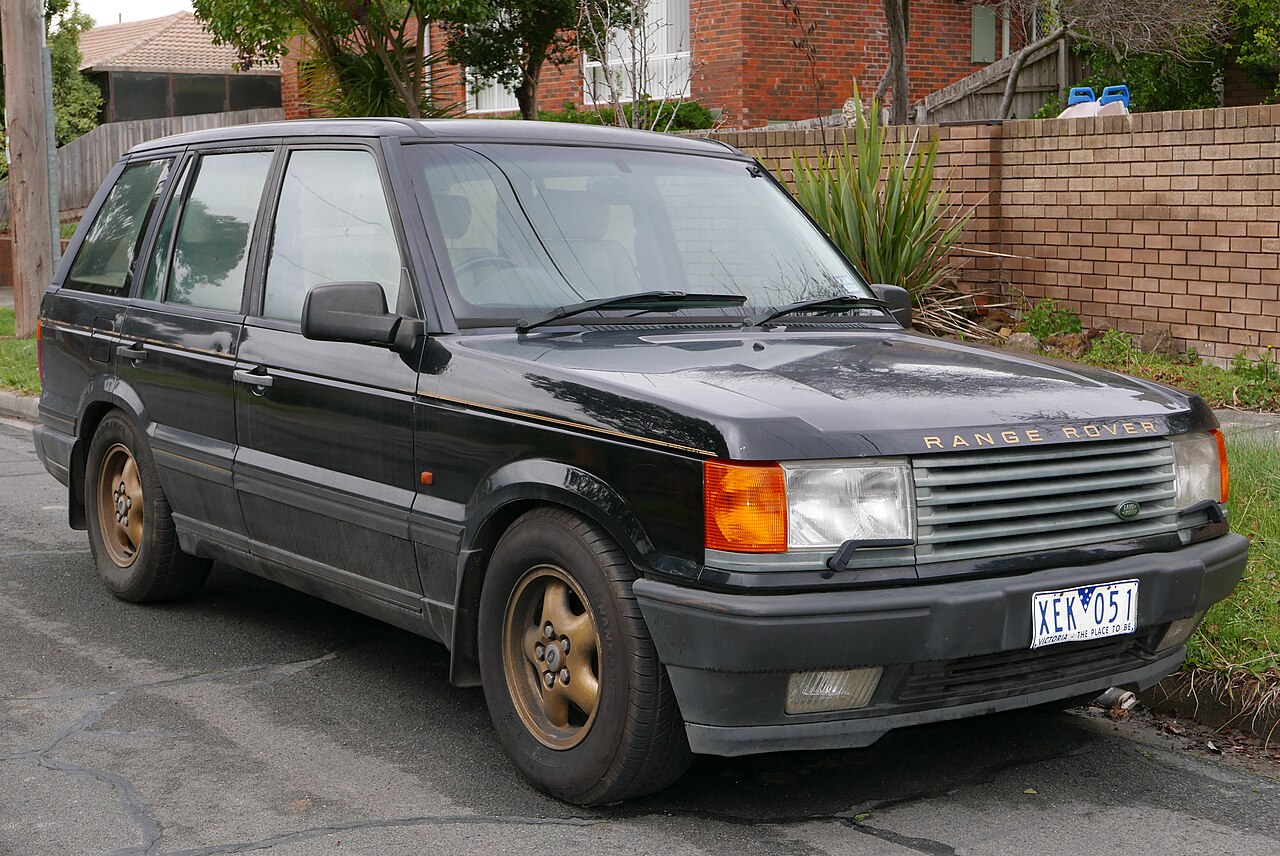
Replacing the original Range Rover was Land Rover's biggest gamble of the early 1990s. The programme began as 'Pegasus' and became known by the number of the Solihull building where the team worked - 38A - which stuck as the model's name. Designer George Thomson's 1990 exterior deliberately evolved the Classic's cues (the floating roof, clamshell bonnet and split tailgate) around a far more luxurious cabin, while the engineering kept a separate ladder chassis and beam axles but made electronic air suspension standard across the range.
The P38A was launched on 28 September 1994, months after BMW had acquired the Rover Group, making the new Range Rover the flagship of a German-owned British marque. Engines were reworked 4.0 and 4.6-litre versions of the veteran Rover V8 plus, for the first time in a Range Rover, a six-cylinder diesel - the 2.5-litre turbocharged BMW M51. Trim lines ran from the 4.0 base model to the 4.6 HSE, with bespoke Autobiography editions offering near-unlimited paint and leather choices.
In its seven-year run the P38A sold steadily - 167,259 are recorded as built at Solihull to 2001 - but it never quite escaped the twin shadows of its beloved predecessor and its troubled electronics, which have shaped its reputation on the used market ever since. Jeremy Clarkson famously likened the tall glasshouse styling to a London Metrocab taxi. BMW sold Land Rover to Ford in 2000, and the P38A was replaced in late 2001 by the BMW-developed L322.
Today the P38A is the affordable route into Range Rover ownership and increasingly appreciated on its own terms: the last Range Rover with the Rover V8, a separate chassis and genuinely simple mechanicals beneath the electronic gadgetry.
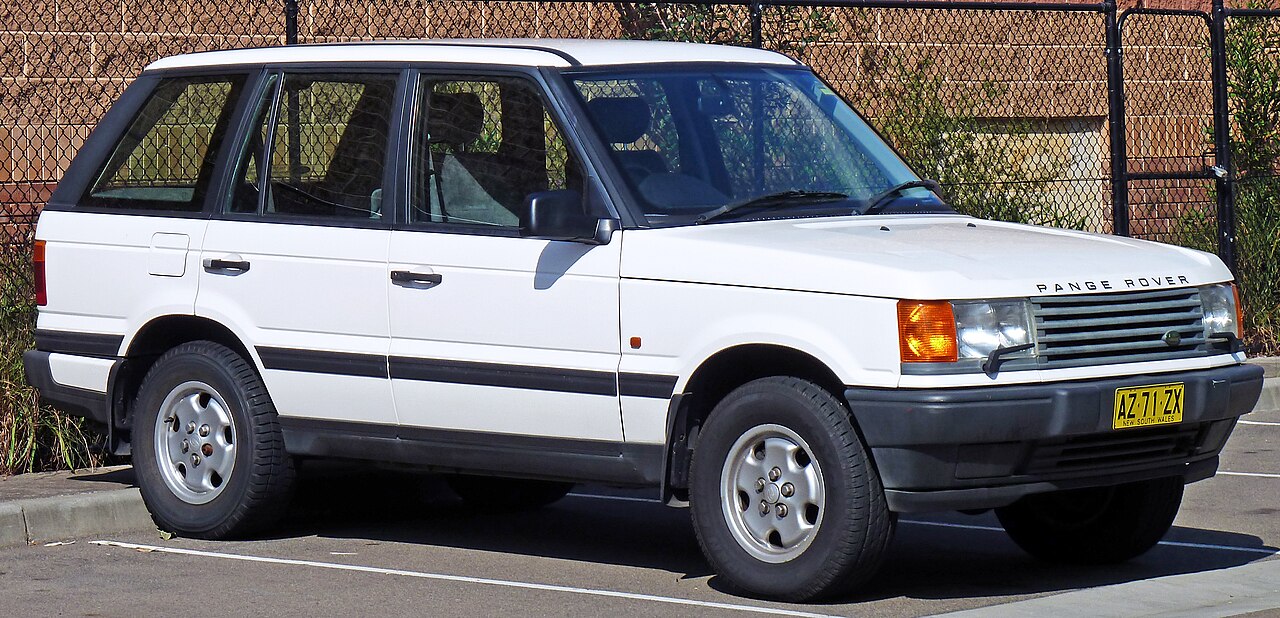
_4.0_SE_wagon_05.jpg)
_4.6_HSE_wagon_(2015-08-07)_01.jpg)